

Today, we need sustainable agriculture to save our planet. O farming leads this important movement. It shows us an innovative way to grow food that protects the environment.
This method changes how we produce food. It makes ecosystems healthier and communities stronger. By farming responsibly, we can make our future greener. Our farms will be productive and kind to the planet.
O farming is more than a new farming method. It is a big plan for better sustainability in our food supply. O farming uses eco-friendly practices to help the environment and society. It encourages better farming methods.
Let’s see how O farming is changing sustainable food production. It’s paving the way for a greener tomorrow.
Understanding O Farming: What Is O Farming?
O farming is a special kind of organic farming. It focuses on creating a healthy ecosystem that values the earth, different plant and animal life, and growth that lasts. This type of farming keeps the soil healthy and helps plants keep growing without using artificial stuff.
This kind of farming sticks closely to green farming ideas. It uses methods that don’t mess up nature’s balance. Instead, it boosts soil health and grows a variety of crops. This makes the farm strong and able to adapt to changes.
Key parts of what is O farming include using nature to control pests, changing crops, and making compost. This approach helps create farms that are good for nature and also make money. It avoids harmful chemicals, protecting the environment and keeping our food clean.
O farming and regular farming are very different, especially in how they treat the soil and manage the land. Unlike regular farming that often uses just one crop and lots of chemicals, O farming loves variety and makes the soil better.
| Aspect | O Farming | Conventional Farming |
|---|---|---|
| Pest Management | Natural and biological methods | Chemical pesticides |
| Soil Fertility | Maintained through organic compost and crop rotation | Relies on synthetic fertilizers |
| Biodiversity | Encourages crop diversity and polyculture | Monoculture practices |
| Environmental Impact | Minimal, emphasizes sustainability | High, due to chemical use and soil degradation |
Benefits of Adopting O Farming Techniques
O farming techniques offer many plus points. They make farming more sustainable. Improving soil health and increasing biodiversity are key. They play a big part in making farms more productive. Also, using fewer chemicals helps protect our planet and gives us healthier food.
Enhancing Soil Health and Biodiversity
One big win of O farming is better soil health. It uses things like natural compost and crop rotation. These practices add lots of organic matter to the soil. This keeps the soil fertile and in good shape.
Another win is more biodiversity. O farming avoids growing just one type of crop. Instead, it uses a variety of crops. This creates a home for many helpful creatures. These creatures help with things like pollination and pest control. This is good for the environment and the farmer.

Reducing Chemical Usage in Agriculture
O farming means using fewer chemicals. By not using synthetic fertilizers and pesticides, this approach limits harmful chemical residues. This leads to cleaner, healthier food. Food without the bad stuff often found in conventional farming.
Using fewer chemicals also helps biodiversity. It lets natural pest fighters do their job. This keeps pests under control without chemicals. So, farming is kinder to the earth and more sustainable.
| Traditional Farming | O Farming |
|---|---|
| Relies on synthetic fertilizers | Uses natural composting methods |
| Monoculture practices | Diverse crop systems |
| High chemical pesticide use | Natural pest control |
| Reduced soil fertility over time | Enhanced soil health and structure |
Sustainable Agriculture Practices in O Farming
Using sustainable agriculture practices in O farming is key for the environment. It uses organic farming techniques and green methods. This approach supports the planet for the long term.
Promoting Biodiversity in Farming
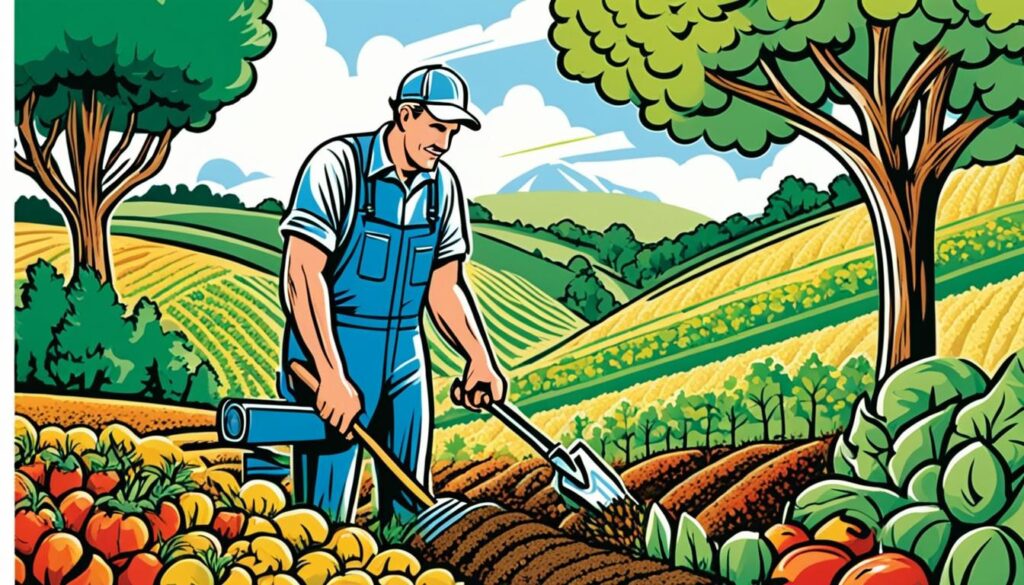
O farming boosts biodiversity. It does this by growing a variety of crops and creating habitats. This is good for soil and helps animals and insects too.
The techniques like green manure and natural pest fighters are vital. Green manure keeps soil healthy without erosion. Using predators instead of chemicals fights pests better.
Eco-Friendly Farming Methods
O farming focuses on low-impact practices. These practices include saving soil and harvesting rainwater. They help farms be more sustainable.
Conservation tillage keeps soil healthy and prevents erosion. Collecting rainwater provides water even when it’s dry. These methods are good for the Earth.
| Technique | Benefit |
|---|---|
| Crop Diversity | Enhances soil fertility and pest control |
| Green Manure | Prevents erosion and enriches soil |
| Biological Pest Control | Reduces reliance on chemical pesticides |
| Conservation Tillage | Preserves soil structure and organic matter |
| Rainwater Harvesting | Ensures water availability during dry periods |
With these eco-friendly farming methods, O farming leads in sustainable agriculture practices. It shows how farms can work with nature. This way, it meets global goals and guides future farms.
Organic Certification Requirements and Standards
It’s important to know the organic certification requirements if you’re getting into organic farming. The certification process checks if farmers follow strict rules. These rules make sure organic products are real and trustworthy. They cover many factors to fulfill organic farming standards.
Farmers must follow rules about prohibited substances regulations to be certified. They can’t use man-made fertilizers, pesticides, and GMOs.
Another key point is the animal welfare stipulates. Farmers must let animals go outside and feed them organic food. They also must care for animals well all the time.
How farmers manage their land is also crucial. Practices like keeping the soil healthy, rotating crops, and minimal plowing meet organic farming standards. These practices help soil stay fertile for a long time.
“The organic certification is a testament to a farm’s commitment to sustainable and ethical farming practices, requiring rigorous adherence to established standards and continuous monitoring.” – USDA
Here are the main organic certification requirements:
| Certification Criteria | Description |
|---|---|
| Prohibited Substances | No use of synthetic fertilizers, pesticides, or GMOs |
| Animal Welfare | Ensuring humane treatment and outdoor access |
| Land Management | Sustainable soil and crop management practices |
Knowing what’s needed for certification helps farmers get and keep their organic status. They must commit to organic farming standards.
Case Studies: Success Stories in Sustainable O Farming
Sustainable O farming shines through real-world examples. Looking into these cases gives us key lessons on thriving both environmentally and economically.
Marangai Farm: Achieving Net Carbon Zero
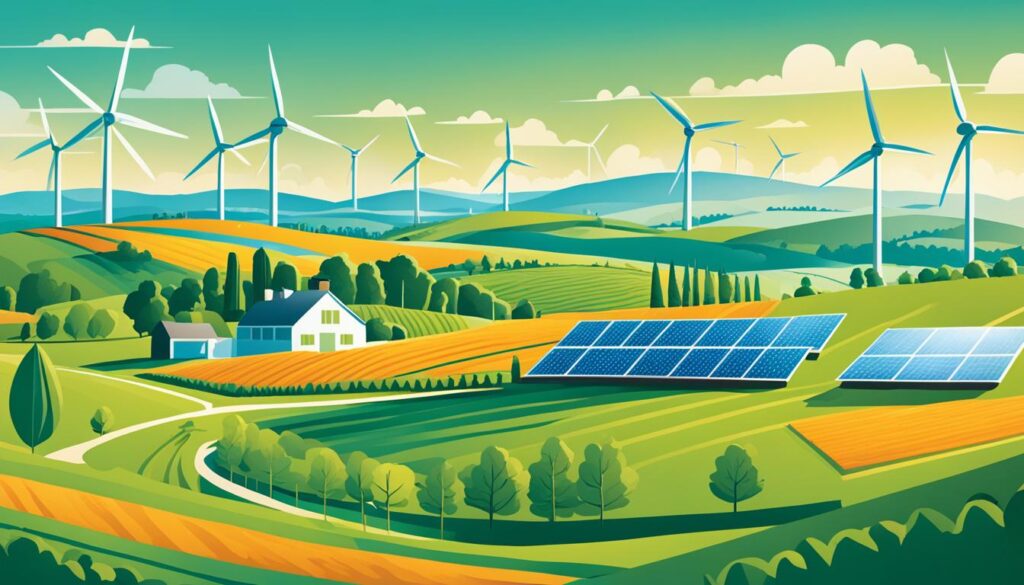
Marangai Farm is a leader in carbon-neutral farming. They show how smart money management, variety, and being open to change lead to success in farming. They use renewable energy and capture carbon, balancing their work with caring for our planet. This story proves that sustainable O farming’s benefits are huge and real.
Greg Judy’s Regenerative Ranching Practices
Greg Judy stands out in sustainable O farming too. He focuses on moving animals regularly, keeping the soil healthy, and increasing wildlife. But Greg does more than farm this way; he teaches others how to do it too. His work shows farming can be good for nature and profitable.
Conclusion
O farming is a cutting-edge way to farm that promises a greener future. It focuses on keeping the environment healthy, using fewer chemicals, and supporting many kinds of life. This method is changing how we grow food, making ecosystems healthier and communities stronger.
There’s a lot of proof that this works. For example, using natural compost and rotating crops helps soil stay healthy. Places like Marangai Farm and Greg Judy’s ranch show how well it works. They prove that sustainable farming isn’t just possible; it’s successful and good for our world.
As we move forward, O farming shows us a bright path for farming sustainably. We’re facing big environmental issues, but by adopting these farming ways, we can make a huge positive change. O farming lights the way for a better, more sustainable way to grow our food.