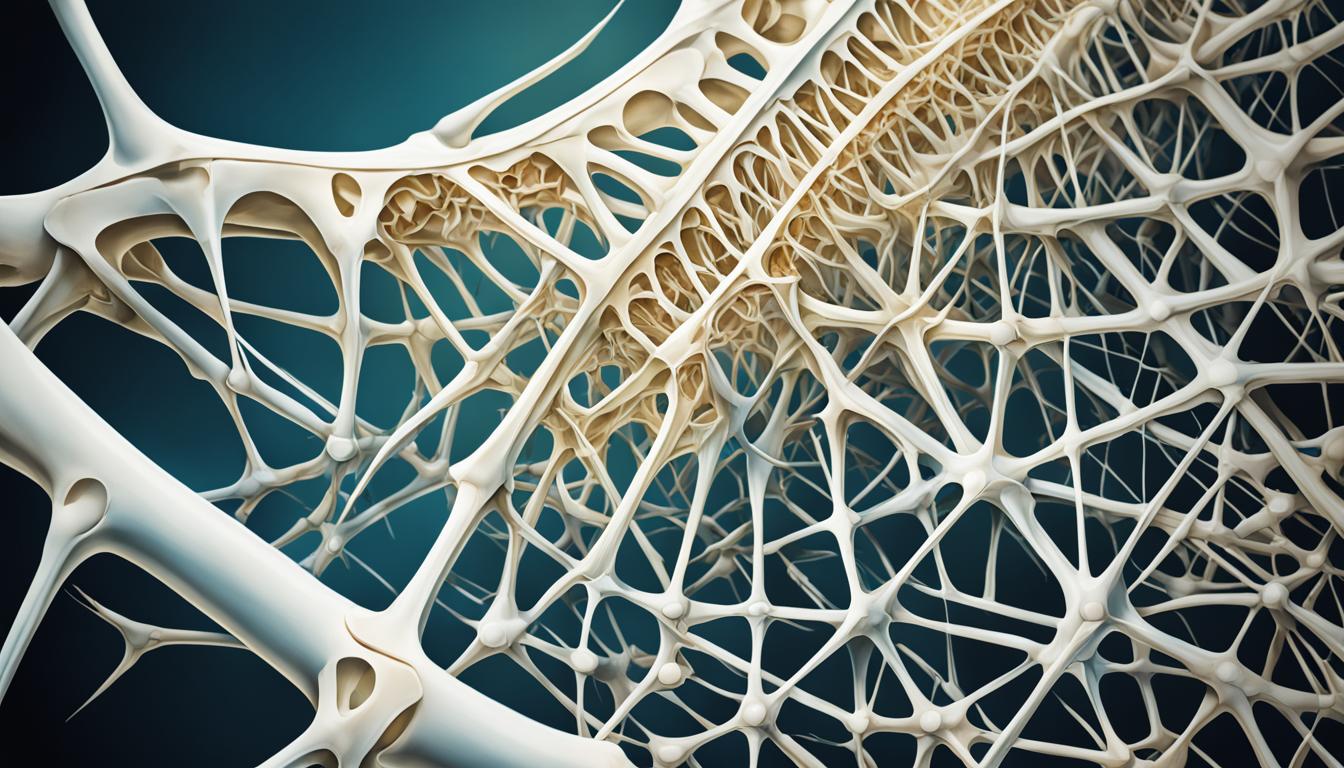

Our skeletal structure is like a complex web. Even tiny elements, like bone spicules, are very important. These small, sharp bone growths can show different bone problems. They relate to our skeletal health. Bone spicules highlight how bone grows normally and abnormally. They are key parts of osseous outgrowth and skeletal structure.
The Definition and Structure of Bone Spicules
The term “bone spicule” might sound mysterious. It’s key to grasp what it means and how it’s structured. These small, sharp bits of bone are crucial to our skeleton’s complexity.
What is a Bone Spicule?
A bone spicule is tiny and sharp, made of bone tissue. These bits can look different depending on where they are in the skeleton. They may signal normal body processes or an unusual bone condition.
The Composition and Formation of Bone Spicules
Bone spicules are mainly bone tissue. They include collagen fibers and cells that help bones form and renew. Spicules are special, not like bone outgrowths or fragments. This uniqueness underscores their role in keeping bones healthy.
https://www.youtube.com/watch?v=UvP38SsW6SQ
Different Types of Bone Spicules
There are many kinds of bone spicules, each with its shape and role. Knowing their varieties sheds light on their functions in health and disease. These details aid in addressing bone disorders and other skeleton issues.
| Bone Structure | Characteristic | Role |
|---|---|---|
| Bone Spicule | Minute, pointed | Indicates bone formation/remodeling |
| Bone Fragment | Larger piece of bone | Result of breakage or injury |
| Osteophyte | Bony outgrowth | Often associated with joint damage |
Bone Spurs and Their Connection to Bone Spicules
Bone spurs are often misunderstood, yet they form due to processes related to bone spicules. This insight helps us understand the complex relationship between different bone outgrowths. It’s key to knowing about bone health.

Understanding Bone Spurs
A bone spur is a bony growth found on the edges of bones. They often come from inflammation or joint damage, like osteoarthritis. Though they’re usually painless, they can cause discomfort if they press on nerves or tissues.
How Bone Spurs and Bone Spicules are Related
Bone spurs and bone spicules both come from bone growth processes. Spicules are small, pointed bits of bone, while spurs are bigger and more visible. They form due to stress or changes in the bone, involving calcium deposit buildup. This shows the importance of regular bone health checks to prevent or manage these conditions.
Causes of Bone Spurs and Bone Spicules
The cause of bone spurs and spicules can vary. Aging plays a big role, as joints wear down over time. Joint instability, past injuries, and diseases like arthritis also contribute. Environmental and genetic factors affect your risk, too, highlighting the need for good bone management.
Looking closely at these causes helps us understand better. It allows people and doctors to better handle and maybe prevent these issues.
| Condition | Characteristics | Main Causes |
|---|---|---|
| Bone Spurs | Larger bony projections at joint edges | Aging, joint instability, inflammation |
| Bone Spicules | Minute pointed bone structures | Mechanical stress, calcification |
Clinical Implications of Bone Spicules
Bone spicules are small, pointed pieces of bone. They can cause big health issues. It’s key to figure out they’re there and treat them right.
Health Issues Related to Bone Spicules
Bone spicules can lead to health problems. They often cause pain and swelling. This can make moving hard and lower life quality.
In worse cases, they mess up how bones work. This can bring on other serious problems.

Diagnostic Methods for Detecting Bone Spicules
Finding bone spicules early is vital for treatment. Doctors use different ways to spot them:
- X-rays: Often the first step to see bone issues.
- CT Scans: These give clearer images to spot spicules better.
- Histological Analysis: A close-up look at bone tissue to confirm spicules.
Treatment Options for Bone Spicules
How to treat bone spicules depends on their impact. The options can be:
- Physical Therapy: Helps ease pain and helps you move better.
- Medication: Drugs can lessen pain and swelling.
- Surgical Intervention: Surgery might be needed to take out spicules and fix bones.
Dealing with bone spicules well means both good diagnosis and treatment. This helps patients live better.
Bone Spicule: A Detailed Look at Skeletal Abnormalities
Understanding skeletal issues helps us find better ways to treat bone problems. Bone spicules are small bone growths important in many bone conditions. By looking at both common and rare bone problems, we learn more about bone health and how it affects our well-being.
Common Skeletal Abnormalities Involving Bone Spicules
Bone spicules often show up with other health issues, like genetic or metabolic problems. These small bone growths can cause pain, swelling, and make it hard to move. Knowing how to spot these signs can make life better for those dealing with them.
Case Studies on Bone Spicule-Related Disorders
Looking into specific cases helps us understand how bone spicules affect health. For example, studying osteogenesis imperfecta shows us how spicules make bones fragile and easy to break. Also, looking at hyperparathyroidism shows how too much calcium can cause abnormal bone growths.
Studying bone spicules shows us how complex bone health is. By learning more, we hope to find better ways to handle bone problems. This could lead to better health and happier lives for patients.