

Cassasse is known for its rich history and cultural significance. It started as a mystery, mixing traditional cooking with local twists. Today, it’s enjoyed all over as a modern favorite.
Cassasse enigma leads us to explore its roots and how it has changed. It’s amazing to see how this dish went from a simple recipe to a globally loved sensation.
Introduction to Cassasse
Diving into the cassasse world opens up enchanting culinary delights. Introduction to cassasse means discovering what makes it so captivating. This journey reveals the essence and allure famous worldwide.
Understanding cassasse starts with knowing its ingredients and preparation. It’s known for rich flavors and complex textures. This culinary delight stands out for its exquisite taste.
Cassasse in various cultures has evolved. This evolution includes traditional recipes and new adaptations. Food lovers explore its origins and variations, uncovering its secret appeal.
Exploring cassasse offers more than taste; it’s about embracing tradition. This journey across regions shows cassasse’s timeless appeal. It highlights the dish’s cultural significance in the culinary world.
| Aspect | Details |
|---|---|
| Core Ingredients | A blend of spices, meat, and vegetables unique to regional recipes. |
| Preparation Methods | Varies by culture, typically involving slow-cooking to enhance flavors. |
| Variations | Adaptations specific to geographical and cultural influence. |
| Historical Significance | Tied to traditional practices and festivals, indicating deep cultural roots. |
This intro to cassasse is an invitation to dive deep into its history. It shows why this dish is a favorite among food lovers.
Cassasse Origins
The story of cassasse spans centuries, linking the dish to many cultures and historic events. To grasp its essence, we must look back at its origins. We will see how history shaped cassasse.
The Historical Background of Cassasse
Cassasse started in the Mediterranean, crafted from local goods. Over time, families handed down recipes. These contained unique tastes and methods. They keep the spirit of cassasse alive.
As cassasse reached new places, each culture left its mark on the dish. Traders and explorers brought cassasse everywhere. This shows how cassasse grew and embraced different food practices.
Cultural Significance and Traditions
Cassasse means more than just food; it symbolizes community and family ties. At gatherings and celebrations, sharing cassasse strengthens bonds between people.
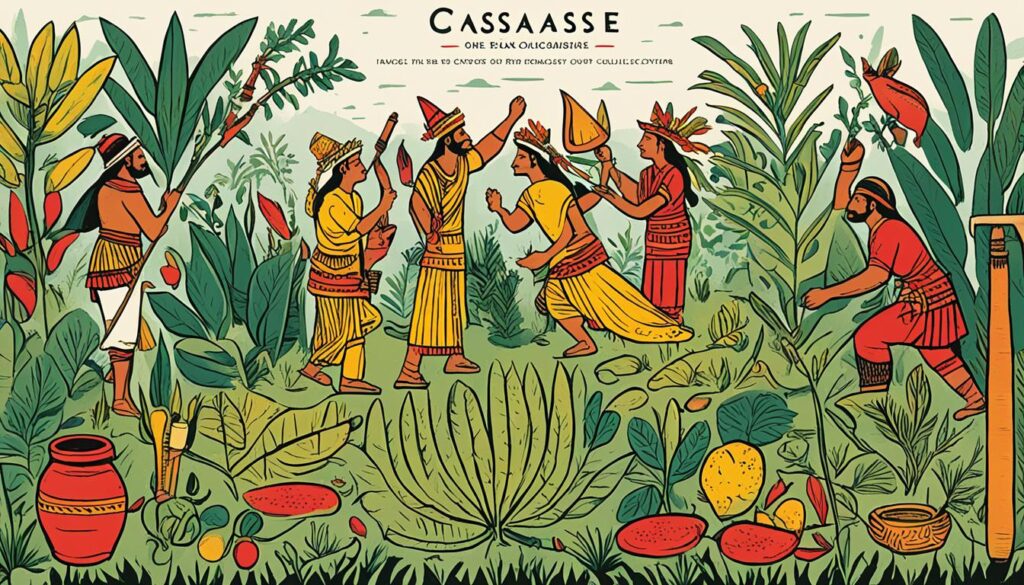
Rituals and celebrations feature cassasse along with stories, music, and art. This combination enhances the group experience, making it special.
Learning about cassasse’s roots teaches us about the deep traditions it carries. This knowledge lets us honor those who valued this dish through the ages.
Traditional Cassasse Recipes and Ingredients
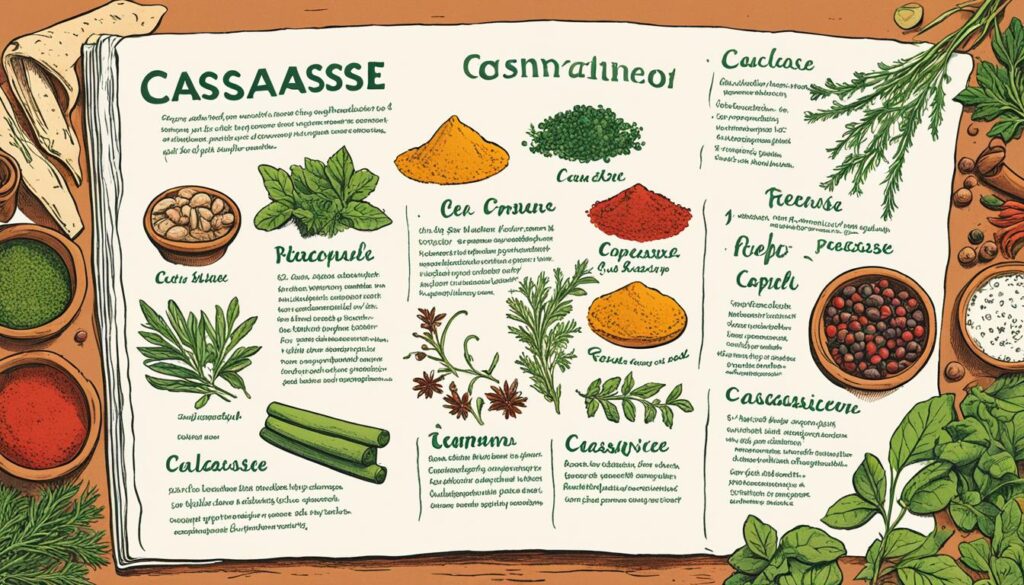
The magic of cassasse comes from its rich mix of ingredients. They have been shared from one generation to the next. To learn how to make cassasse, you need to know about its essential elements. Also, you must understand its preparation steps. Let me guide you through it all.
Core Ingredients in Cassasse
Cassasse has its own special ingredients. They give it a distinct taste. These ingredients blend well to create a delicious dish:
- Plantains: They are key in many cassasse recipes, providing a sweet and starchy base.
- Meat: Beef, chicken, or pork can be used, each adding a rich flavor.
- Spices: Cumin, coriander, and paprika bring warmth and aroma.
- Vegetables: Onions, tomatoes, and bell peppers add layers of flavor.
- Broth: A tasty broth brings everything together, making the dish juicy and flavorful.
Step-by-Step Cassasse Recipe
Preparing cassasse requires attention to detail. This is to ensure you get its signature flavor. Follow this guide to master the cassasse-making process:
- Preparation: Start by getting all the ingredients ready. Peel and slice the plantains. Also, chop the meat into small pieces.
- Marination: Mix the meat with spices and let it soak in the flavors for an hour.
- Sautéing: Cook onions, tomatoes, and peppers in a big pot until they’re soft. Then, add the meat and brown it.
- Layering: In another pot, alternate between plantains and meat. Add just enough broth to cover them.
- Simmering: Cover the pot and cook on low heat for 45 to 60 minutes. This blends the flavors and softens the plantains.
- Final Touch: When it’s done, check the seasoning and adjust it if needed. Serve it hot and enjoy!
| Ingredient | Quantity | Purpose |
|---|---|---|
| Plantains | 4, medium-sized | Starchy base |
| Meat (beef/chicken/pork) | 1 lb | Main protein |
| Spices (cumin, coriander, paprika) | To taste | Aromatic warmth |
| Vegetables (onions, tomatoes, bell peppers) | 1 cup, mixed | Flavor enhancement |
| Broth | 2 cups | Moisture and flavor infusion |
Cassasse Variations Across Regions
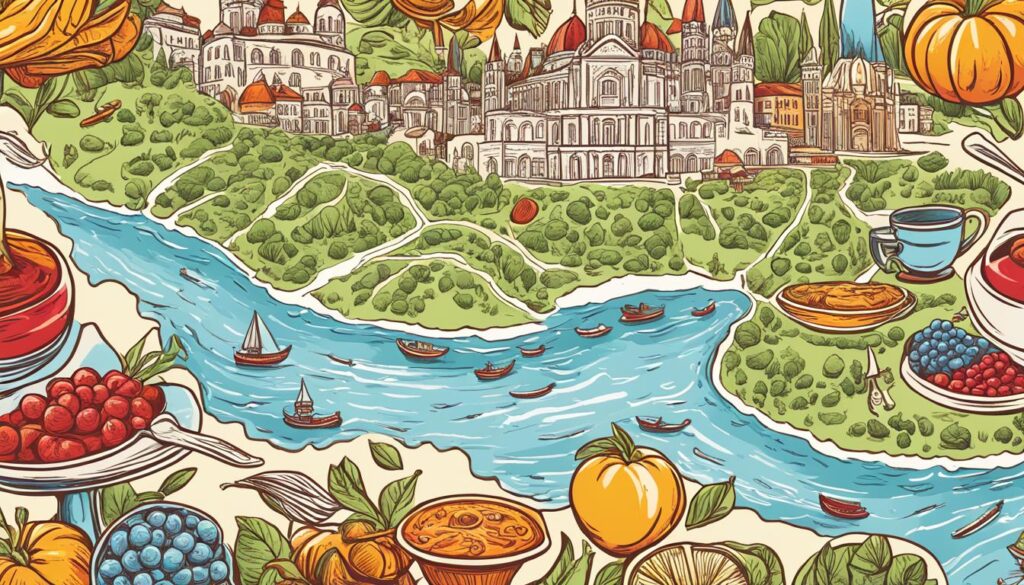
Cassasse shows its diversity through different regional versions. It mirrors local tastes and ingredients. This special dish has grown, taking in new flavors from all over and weaving a rich mix of tastes and textures.
Regional Adaptations of Cassasse
Looking into regional cassasse shows a bounty of flavors and methods. In the Mediterranean, expect to see olives and herbs. Latin America might add tropical fruits and spices. This blend keeps tradition alive while celebrating local food culture.
Modern Takes on Traditional Cassasse
Lately, there’s been a surge in modern cassasse dishes. Chefs are mixing traditional recipes with new ideas in both upscale eateries and home cooking. They may add fancy cheeses or rare spices. These updates prove cassasse’s flexibility and lasting charm in our rapidly changing food scene.
By looking at both regional and modern versions, we see cassasse’s wide appeal. Its connection to many places and its knack for renewal make cassasse a timeless favorite. It’s valued for its past and its ability to stay fresh and exciting.
The Cultural Journey of Cassasse
Cassasse’s journey through time shows its lasting charm and flexibility. It has moved beyond its traditional roots to become key in today’s kitchens worldwide. This shows how classic tastes can fit with what people like now and make meals better.

Cassasse in Modern Cuisine
Cassasse is now a big deal in fancy restaurants and homes. Chefs globally are using it in new ways. They mix its true flavor with new cooking styles. This not only keeps cassasse’s spirit alive but also introduces it to those who haven’t tasted it yet. Cassasse’s role in today’s cooking proves it’s a timeless food, staying relevant amidst changing trends.
Popularity and Reception Worldwide
People all over love cassasse. Its success is helped by food lovers and those who introduce it to new places. In North America, Europe, and Asia, cassasse is often seen at food festivals and global expos. Cassasse’s worldwide success shows its role as a beloved food, crossing borders and cultures.
Conclusion
Cassasse is more than just food. It’s a symbol of cultural wealth and creative cooking. Looking into its history and variations shows a story of taste and tradition that’s been around for centuries. Cassasse isn’t just about its great flavor. It also tells of its beginnings, the people who loved it, and the traditions it keeps alive.
Exploring cassasse teaches us about the blend of old and new. As it evolves with current preferences, it still holds tight to its origins. This mix of change and steadfastness makes cassasse fascinating to learn and enjoy.
Celebrating cassasse is about more than keeping a recipe alive. It’s about enjoying a moment of happiness and unity through eating. By appreciating cassasse, we respect its history and look forward to future creations. So, whether you’re an expert in food or just starting to explore, cassasse welcomes you to enjoy its rich history and enduring charm.