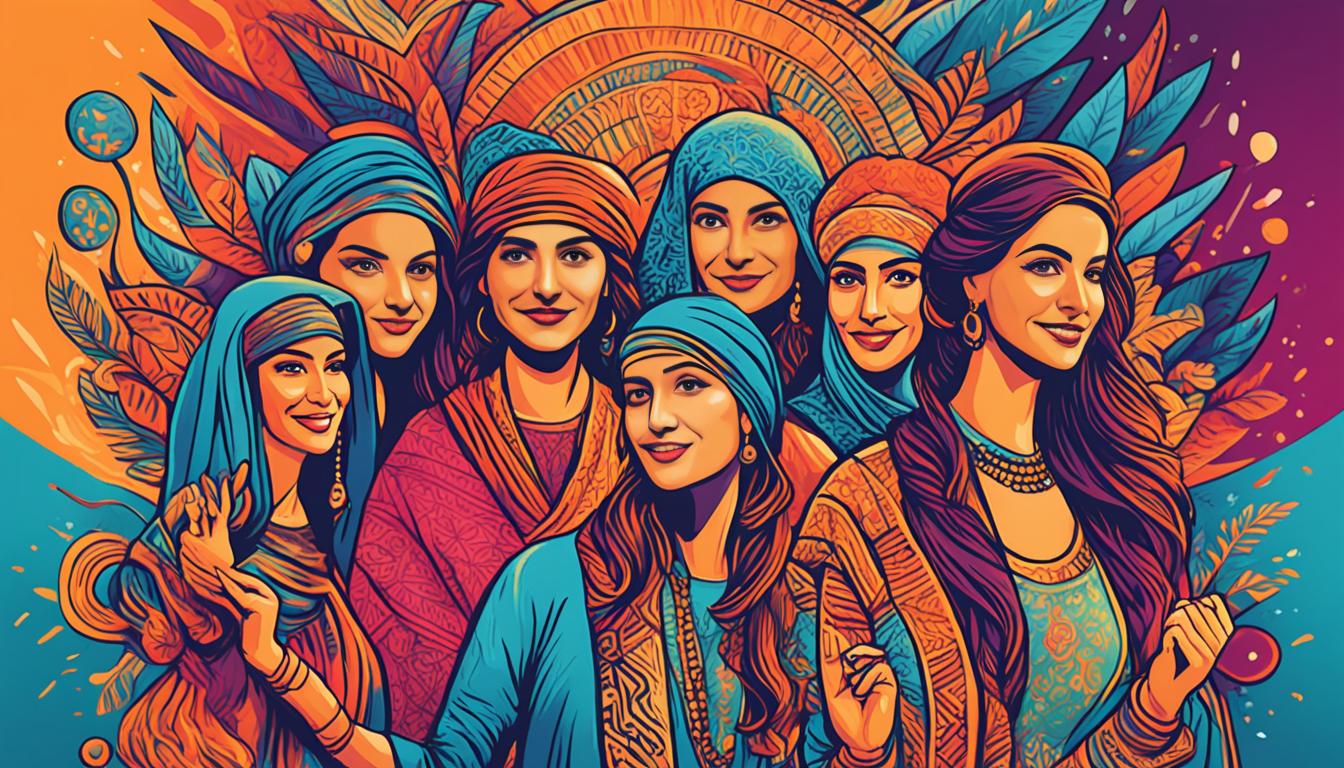

Eviri, often called “ev-uh-ruh,” is a unique part of Turkish culture. It reflects deep historical roots and has the power to change. This cultural gem also shows how technology, culture, and human actions connect.
Besides its historical role, Eviri is known for a traditional Turkish bread. This bread is loved for its health benefits. It shows the strong cultural bond and identity among the Turkish people.
Eviri blends ideas from Eastern philosophy and Native American traditions. It shows how everything in nature is connected. Folk dances in Turkey, full of life and unity, are inspired by Eviri.
This concept isn’t just a matter of interest among dancers and historians. Scholars see Eviri as a puzzle in language, showing how words and human speech have evolved. It gives us clues about how ancient societies communicated.
The Origins and Cultural Significance of Eviri
Eviri’s roots are as mysterious as their importance to culture, linking beliefs and our bond with nature. It started in Anatolia, becoming a lively folk dance that tells a story of history, migrations, and Turkish culture. It showcases the Turkish spirit, highlighting their heritage and unity.
Historical Background
Eviri reaches back to ancient Anatolia, showing how Turkey has grown. It started as a way to talk and express feelings. Now, as a folk dance, it talks about how culture and nature work together.
Evolution as a Turkish Folk Dance
Eviri grew from folklore to a famous dance, showing off Turkey’s cultural richness. It paints a picture of historical events and social shifts. Through its steps and dances, Eviri lets people feel the energy of Turkish culture. It’s become a key part of folk dance.
Eviri as a Symbol of Heritage and Unity
Eviri is more than a dance. It’s a strong symbol of Turkish heritage and togetherness. It captures the memories, hopes, and soul of the Turkish people. Eviri shows the connections between the universe, people, and nature. It stands as an important cultural symbol, exploring human curiosity, beliefs, and Turkey’s enduring spirit.
Understanding the Linguistic Phenomenon of Eviri
Eviri goes beyond culture, exploring linguistics in depth. It involves flipping letters in words for visual or textual impact. This concept grabs the interest of linguists and historians.

Character Inversion in Languages
Character inversion is key in Eviri, showing the creativity of ancient languages. It’s not just for fun. It has been vital for human communication. The practice is seen in many languages worldwide.
Whether through an online translator or in old texts, changing the order of letters makes language studies more interesting.
Impact on Linguistic Evolution
Eviri’s letter flipping has changed language over time. Ancient groups used it to make new ways to communicate. This shows how adaptive language is.
The interest in Eviri today grows with multilingual translation tech. It connects us to our linguistic past and encourages creative ways to communicate. Eviri sparks curiosity, celebrating human creativity and language development.
Evırı in Contemporary Society and Culture
Eviri blends cultural heritage with modern living in Turkey. It’s more than a tradition; it’s a symbol of Turkish identity. It’s seen in traditional bread, showing deep-rooted customs.
Health Benefits of Eviri as Traditional Bread
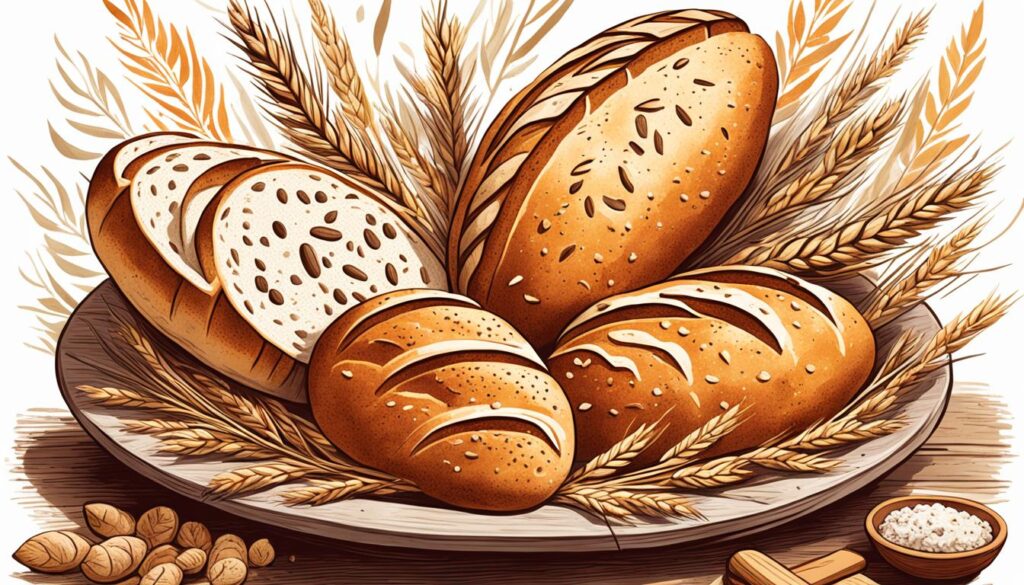
Eviri, a traditional bread, is known for its health perks. Made with nutritious ingredients, it supports a healthy diet. Like a translator sharing old recipes, Eviri links past wisdom with today’s health trends. This bread is not just food; it connects us to Turkish roots.
Symbolism in Diverse Belief Systems
Eviri means more than good food; it’s a symbol in many beliefs. It stands for unity, bringing different traditions together. Its deep cultural and spiritual value shows in many ceremonies. Like translators make content fit new places, Eviri fits into diverse beliefs. It shows tradition and modernity can mix well.
Thinking about Eviri shows its big role. From healthy traditional bread to a cultural symbol across beliefs. Its lasting relevance highlights why we should keep traditions alive in a changing world.
The Creative Dimensions of Eviri
Eviri is all about creative communication. It transforms how we understand language translation. By changing words, Eviri makes language come alive. This brings a fresh and clear way to share ideas.
Eviri also changes professional translation. It adds depth to conversations in many languages. In tech, like AI and NLP, it makes interacting more natural and fun.

Eviri improves learning too. It helps teachers encourage creativity and smart thinking. This approach helps students see language translation in new ways. They learn to express themselves in unique ways.
Eviri has unlimited potential. It’s changing everything from translation to how we communicate creatively. Its influence lets us explore the connection between language and creativity. This opens up exciting ways to understand and enjoy communication.
| Discipline | Application of Eviri | Benefits |
|---|---|---|
| Art | Innovative word manipulation | Enhanced creativity |
| Literature | Fresh narrative techniques | Richer storytelling |
| Technology | Improving user interaction | More engaging experiences |
| Education | Inspiring non-traditional learning | Stimulated creativity and thinking |
Conclusion
As I explore Eviri, I see it blend tradition and modernity in a seamless story. This mixture is deeply part of Turkish culture but fits today’s world. Eviri uses its roots and new ideas to stand out in global communication and language services.
Eviri shows us different sides, from arts to language, making us think differently about culture. It’s like a journey of constant discovery, teaching us the beauty of our world’s complexity. Understanding Eviri means more than just learning about a tradition. It’s about connecting with the vast world of human communication.
Eviri makes us see how old and new mix together, shaping our lives and art. It proves that traditional ways can still impact today’s world. By looking at Eviri, I’m inspired to dive into the ongoing relationship between our past and the present.