

SSIS 816 is the newest advancement in Microsoft SQL Server integration services. It provides top-notch options for handling complex ETL processes. This version boosts efficiency and brings many new features, critical for business intelligence.
SSIS 816 makes it easy to blend data from various sources. It changes the way companies manage and use their data. By leveraging SSIS 816, firms can turn raw data into valuable insights, staying ahead in the fast-paced, data-centric world.
Introduction to SSIS 816
The SQL Server Integration Services (SSIS) 816 upgrade marks a big step in data management and business intelligence. It offers new functions to make data integration smooth. This lets users tap into the power of their business intelligence work more fully.
https://www.youtube.com/watch?v=wrwTFsZQSXc
What is SSIS 816?
SSIS 816 brings major improvements to SQL Server Integration Services. It’s all about making data integration easier and better. With new tech, it changes how data from various sources is brought together, changed, and stored for business analysis. This upgrade is a leap forward in handling data and helps businesses integrate data accurately.
Key Features of SSIS 816
The SSIS 816 upgrade has some standout features:
- Performance Boosts: These enhancements lead to much quicker data processing.
- Robust Connectivity: It connects smoothly with many platforms for better data management.
- Cleaner Data Outcomes: You get cleaner, more correct data thanks to better handling.
- Fortified Security Mechanisms: New security features keep data safe at all stages.
SSIS 816 is key for businesses wanting to improve their data work. It’s great for data storage, updating systems, or complicated data studies. The upgrade offers a strong option for modern, data-focused companies.
The Significance of Data Integration with SSIS 816
Data integration plays a crucial role in today’s enterprises. It lets companies bring together different data sources smoothly. Thanks to tech advances, having real-time data is necessary to stay competitive and boost business insights. SSIS 816 is key for processing data quickly and making smart decisions.

Why Data Integration Matters
Data integration’s importance to a data-focused business cannot be overstated. It involves mixing data from various places and keeping it consistent and true. This directly influences the quality of business insights. SSIS 816 not only makes this easier but also ensures data is reliable. Having up-to-date data is essential for staying ahead in the market.
Real-World Applications of SSIS 816
SSIS 816 is vital for many uses. It helps fill data warehouses for deep analysis or handle data from IoT devices. For example, when updating systems, SSIS 816 keeps data intact. With more companies using IoT, a strong ETL process is crucial. It lets businesses analyze large datasets from devices and make informed decisions with timely data.
Below is a table showcasing the key benefits of SSIS 816 in different scenarios:
| Application | Benefit |
|---|---|
| Data Warehousing | Ensures comprehensive data analysis |
| IoT Device Management | Handles and processes real-time data streams |
| System Upgrades | Facilitates seamless data migration |
| Business Intelligence | Enhances quality and accuracy of insights |
Core Components of SSIS 816
SSIS 816 offers a smart setup for handling different data needs. It has several key parts:
Control Flow Tasks
Control flow tasks are vital for managing the ETL process. They make sure everything in SSIS packages follows a logical order. These tasks help operations like looping and branching work well together. Using control flow tasks wisely helps make ETL processes smooth and exact.
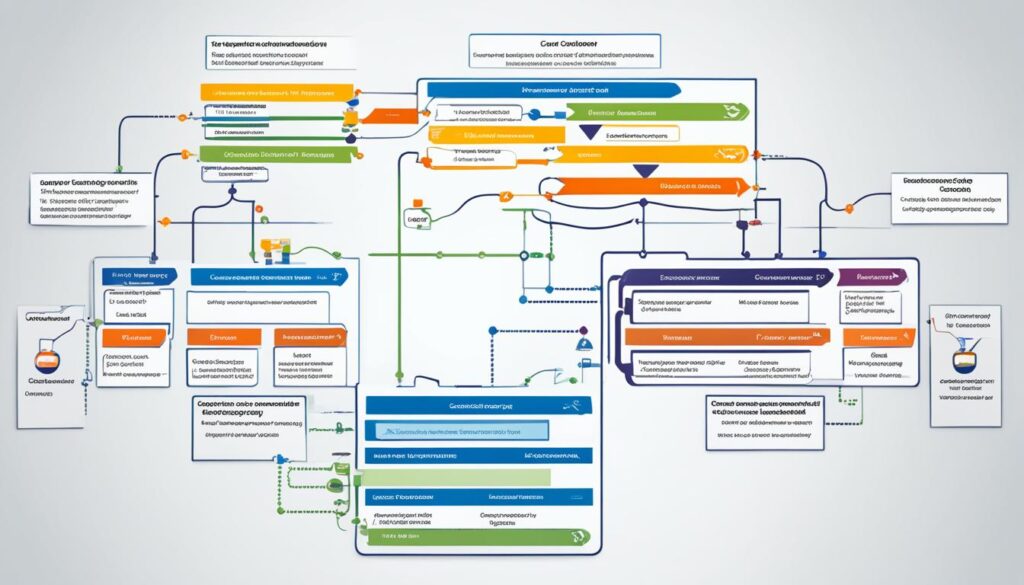
Data Flow Components
Data flow components are key for changing and moving data. They make sure data fits the format of the target systems. These parts handle complex data changes well. They help move data smoothly from its source to its destination. Thanks to data flow components, managing data in SSIS packages becomes more effective.
Script Tasks
Script tasks give users more control and options in SSIS 816. They allow the use of special code to meet specific needs. This helps adjust the ETL process to fit what a company requires. Script tasks are a crucial part of managing data with SSIS.
All these parts help SSIS 816 users set up complex and sturdy data management solutions. They make sure data is handled well and correctly in many situations.
Enhancing Performance with SSIS 816
Achieving the best SSIS performance means following certain strategies. These methods help make sure SSIS 816 works smoothly. Efficient data handling is key.

Performance Tuning Tips
To get the most from SSIS 816, effective tuning is crucial. It starts with keeping your SSIS environment up to date. Choose the right data flow parts too. Then, adjust the system to avoid slowdowns. This means regularly checking and fixing system settings based on your needs.
Buffer Size Optimization
Buffer size optimization is important for good SSIS performance. The right buffer size keeps data moving smoothly. Avoiding slowdowns and inefficient processing this way is crucial. Setting the right buffer size for your data types enhances data moving speed.
Parallel Processing
Parallel processing boosts performance by doing many tasks at once. SSIS 816’s efficiency soars with parallel processing, especially for big data sets. This uses multi-threading to speed up tasks and improve SSIS performance.
Using these tuning tips, focusing on buffer size, and using parallel processing improves SSIS 816. This way, it offers fast and efficient data solutions.
Error Handling and Troubleshooting in SSIS 816
Mastering SSIS error handling is key to keeping data flows smooth. SSIS 816 offers many tools to help with troubleshooting SSIS. These tools let users find and fix problems as they happen during SSIS package execution.
- Set up error outputs in data flow tasks to smartly tackle data flow errors.
- Apply event handlers in control flow tasks to catch and fix surprise errors.
Picking the right data types and controlling buffer sizes are important steps. They help avoid data mix-ups and keep SSIS packages running well.
| Best Practice | Description |
|---|---|
| Error Outputs Configuration | Set up error outputs in data flow tasks to catch and deal with data flow errors. |
| Event Handling | Use event handlers in control flow tasks for handling sudden issues, ensuring smooth SSIS package execution. |
| Buffer Management | Adjust buffer sizes right to avoid delays and boost data processing speed. |
| Data Type Management | Choosing the correct data types is crucial to dodge mistakes and keep data true. |
By following these steps, users can ace SSIS error handling and make troubleshooting SSIS smoother. This makes SSIS package execution more stable and data integration results better.
Best Practices for SSIS 816 Implementation
To make SSIS 816 implementation a success, it’s key to stick to best practices that up the efficiency and performance. We will explore important areas to make your data integration workflows run smoothly and powerfully.
Optimize Package Design
A top-notch SSIS package design is key for good performance and scaling up. It’s vital to have efficient flow control and data changes. They help streamline operations and prevent slow-downs. In SSIS 816, using control flow tasks and data flow components well can make your workflow smooth and effective. Also, setting up good error management is crucial for keeping data accurate and systems stable.
Use Incremental Loading
 is a game-changer for handling big data sets well. It moves only new or changed info, cutting down on time and resources used. This method speeds up data merging and is easier on your system. It works great when data updates often, like in real-time situations or big data projects.
Monitor and Tune Performance
Keeping an eye on performance monitoring and making tweaks is vital for your SSIS packages to run well. By checking how things are going and finding where issues lie, you can tweak your ETL processes wisely. SSIS 816 has tools for logging and watching how packages are doing, helping you keep things running without a hitch. Tweaking buffer sizes and bettering parallel tasks can really improve how much data you can handle, meeting your work needs.
| Best Practice | Description | Benefit |
|---|---|---|
| Optimize Package Design | Leverage efficient flow control and data transformations. | Improves performance and scalability |
| Use Incremental Loading | Focuses on transferring only changed data instead of entire datasets. | Reduces processing time and resource consumption |
| Monitor and Tune Performance | Regularly review performance metrics and adjust settings as needed. | Ensures smooth and efficient ETL processes |
Conclusion
SSIS 816 is a key point in data integration, bringing a full set of tools to improve ETL processes. It works well with real-time data and big data warehousing tasks. These features help businesses achieve full data integration.
Understanding SSIS 816 is not just about knowing what it can do. It’s about using it in the best possible way for each unique business need. This knowledge is vital for getting the most out of SSIS 816. It helps companies deal with complex data in a smart way.
In this digital age, data is very important. Using SSIS 816 well gives companies an advantage. It lets them get the most out of their data. Companies that use SSIS 816 well can lead in today’s data-driven world.